Smart Solutions: Aftermarket Parts for Your Electric Vehicle

15 min read

Smart Solutions: Aftermarket Parts for Your Electric Vehicle

big-image

Electric vehicles (EVs) have taken the automotive world by storm, offering a cleaner, quieter, and more efficient alternative to traditional gasoline-powered cars. But even EVs require maintenance, and once the warranty runs out, the expense of keeping your EV in top shape can start to feel like your own personal Achilles’ heel. This is where aftermarket parts come in, keeping your EV running smoothly without draining your wallet. As such, let’s explore why aftermarket parts are a safe and economical choice for out-of-warranty EV repairs, provide five essential tips for selecting the right parts, and discuss the availability of these parts and where to find them.

The Case for Aftermarket Parts

When your EV is no longer covered by the manufacturer’s warranty, the prospect of expensive repairs can be daunting. Original Equipment Manufacturer (OEM) parts are typically the default choice for many car owners, but they come with a hefty price tag. Aftermarket parts, however, offer a more budget-friendly alternative. But are they as reliable and safe as OEM parts? The answer, in most cases, is a resounding yes!

Cost-Effective Solutions

One of the most significant advantages of aftermarket parts is their affordability. Aftermarket manufacturers can produce similar or even superior quality parts at a fraction of the cost of OEM parts. This is largely because they don’t have the same research and development expenses as the original manufacturers. For EV owners looking to save money on repairs, aftermarket parts can be a game-changer.

Wide Range of Options

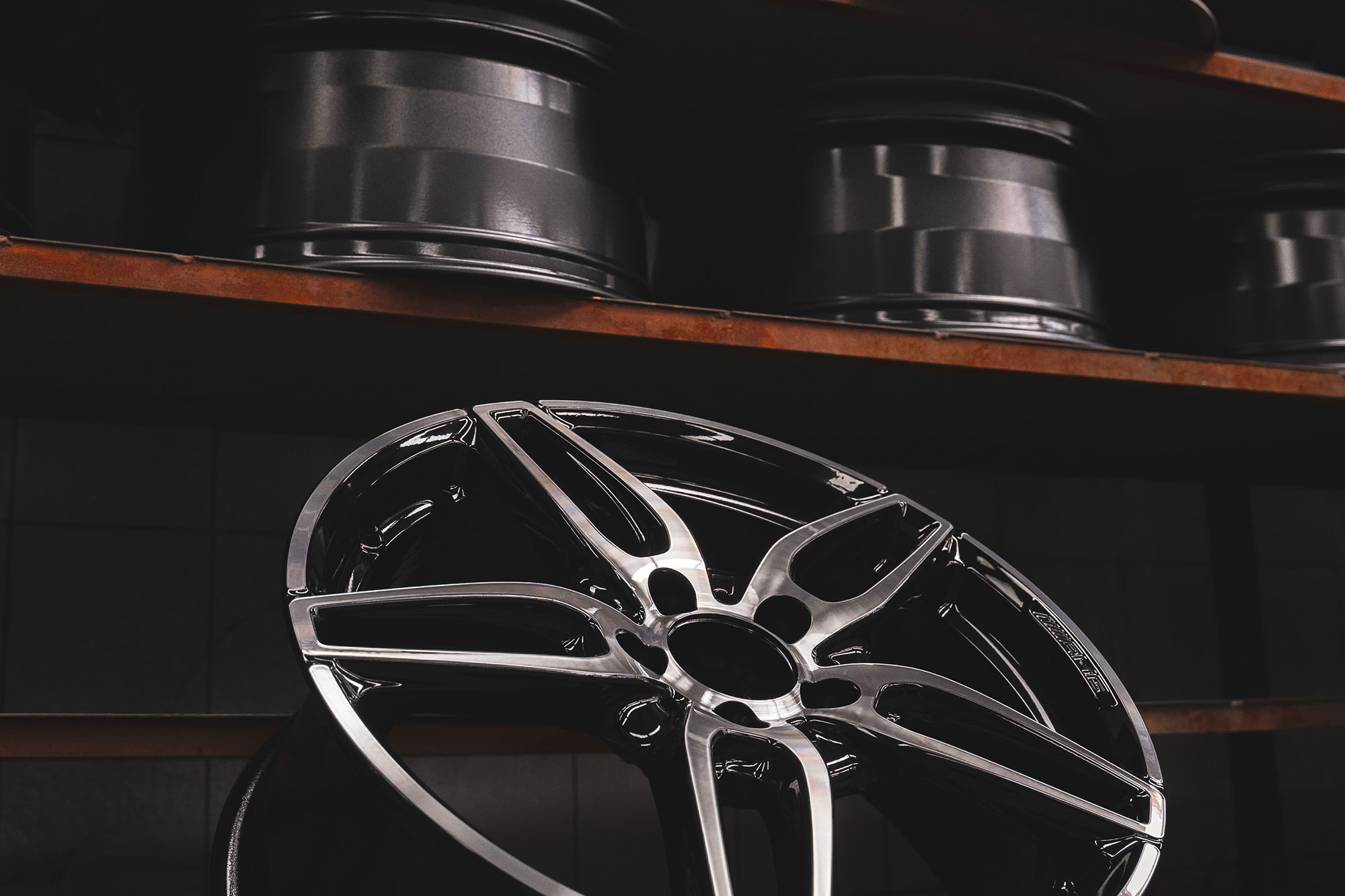
Another benefit of aftermarket parts is the sheer variety available. Whether you’re looking for high-performance batteries, upgraded charging cables, or even a unique set of wheels, the aftermarket industry has a plethora of options. This diversity allows you to customize your EV to suit your preferences and needs. Want a sportier feel? Go for performance parts. Interested in increasing your EV’s range? Opt for more efficient components.

Safety and Quality

A common misconception is that aftermarket parts are inferior in quality and safety compared to OEM parts. However, the aftermarket industry is highly competitive, and many companies produce parts that meet or exceed OEM specifications. In some cases, aftermarket parts are designed to address known issues with the original components, offering improved performance and durability. To ensure safety, always buy from reputable manufacturers and retailers, and check for certifications or standards that the parts meet.

Five Tips for Selecting Aftermarket Parts

Choosing the right aftermarket parts for your EV can be a daunting task, especially with the vast array of options available. Here are five tips to help you navigate the world of aftermarket parts and ensure you get the best form, fit, and function for your vehicle:

Compatibility is Key

Before purchasing any aftermarket part, ensure that it is compatible with your specific make and model. EVs, like all cars, have unique specifications, and not all parts will fit every vehicle. Always check the part numbers and consult your vehicle’s manual or a trusted mechanic to confirm compatibility. Many online retailers and automotive stores have tools to help you find the right parts for your EV, such as 360 images that allow you to visually compare your part with the aftermarket equivalent being offered.

Check for Quality and Certification

Quality should never be compromised, especially when it comes to vehicle parts. Look for aftermarket parts from reputable manufacturers with a history of producing reliable products. Check for industry certifications, such as ISO or TUV, which indicate that the parts meet specific quality and safety standards. Reading reviews from other EV owners can also provide valuable insights into the performance and durability of the parts you’re considering.

Fitment Matters

Proper fitment is crucial for the safety and performance of your EV. A poorly fitting part can lead to issues such as vibrations, noise, and even damage to other components. Ensure that the parts you purchase are designed to fit your vehicle precisely. Many aftermarket retailers offer fitment guarantees, allowing you to return the part if it doesn’t fit correctly. This can save you from potential headaches down the road.

Warranty Options

While aftermarket parts are generally more affordable than OEM parts, it’s still a good idea to consider warranty options. Many reputable aftermarket manufacturers offer warranties on their products, providing you with peace of mind in case of defects or issues. Be sure to read the terms and conditions of the warranty, as they can vary significantly between manufacturers. And make sure you replace ancillary parts that were either affected by or the cause of a part failure, such as the compressor AND receiver drier for an A/C system repair.

Stay Updated with EV Technology

The world of electric vehicles is rapidly evolving, with new technologies and advancements being introduced regularly. When choosing aftermarket parts, it’s essential to stay informed about the latest developments in the EV industry. Opt for parts that are compatible with current technologies and consider futureproofing your vehicle by choosing components that can accommodate potential upgrades.

Availability of Aftermarket Parts and Where to Find Them

Finding the right aftermarket parts for your EV is easier than ever, thanks to a wide range of retailers and suppliers. To begin, there are several well-known aftermarket retailers that offer a vast selection of parts for electric vehicles, including Autozone, NAPA, O’Reilly and Advance Auto Parts. Their websites are a great starting place for finding and selecting the right parts for your ride. Better yet, they also offer a range of performance parts for those looking to enhance their EV’s capabilities.

Auto parts Specialists that focus on ecommerce are another great resource, with RockAuto leading the way. Known for its extensive online catalog, RockAuto is a go-to source for aftermarket parts. They offer parts from a variety of manufacturers, making it easy to compare options and find the best fit for your EV. In addition, online marketplaces like eBay and Amazon can be a treasure trove for aftermarket parts. These platforms offer a wide range of options, from new and used parts to rare components that may be difficult to find elsewhere. However, it’s essential to exercise caution; always check the seller’s ratings and reviews and verify the authenticity of the parts before making a purchase.

Let’s not forget about OEM parts; while they are typically more expensive, they are sometimes available through the aftermarket channels at a lower cost. At times, OEMs offer refurbished or overstocked parts at discounted prices, providing an opportunity to get genuine parts without the premium price tag. Additionally, some OEMs have partnerships with aftermarket suppliers to provide specific components for older or discontinued models, which is sure to come into play even for EVs moving forward.

Specialty EV Part Suppliers are now entering the market as the popularity of EVs continues to grow, specialty suppliers focusing solely on electric vehicles have emerged. These suppliers offer a curated selection of parts tailored to the unique needs of EV owners. Some notable examples include EV West, offering everything under the sun including batteries and motor controllers as well as kits for converting traditional vehicles to electric power, catering to DIY enthusiasts. A second up-and-coming star is EV Parts Online, offering a range of components specifically for EVs, including charging accessories, battery management systems (BMS), and performance upgrades. Better yet, I’ve recently come across a new online player, shopearl.com, offering nearly 1 million automotive aftermarket parts, easy look-ups, fast delivery times and a no-hassle 60 day return policy.

Finally, for those looking for more budget-friendly options, scrap yards and salvage yards can be an excellent source of used parts. Many EVs end up in these yards due to accidents or other issues, leaving behind usable components. While the condition of the parts may vary, you can often find functional batteries, motors, and other essential components at a fraction of the cost of new parts. It’s a bit like a treasure hunt—you never know what you might find!

The Future of Aftermarket Parts for EVs

The aftermarket industry for electric vehicles is still in its early stages, but it is rapidly evolving. As more EVs hit the road and older models go out of warranty, the demand for affordable replacement parts will continue to grow. This presents a significant opportunity for aftermarket manufacturers and distributors to develop and/or market innovative products that meet the unique needs of EV owners.

With a wide range of options available from major retailers, specialty suppliers, and even salvage yards, finding the right parts at an affordable price for your EV has never been easier. By following these tips, you can ensure that you select the best aftermarket parts for your vehicle, enhancing its performance, safety, and longevity.

Author: Earl Bloom
How to Identify the Right Auto Part for Your Vehicle

5 min read

How to Identify the Right Auto Part for Your Vehicle

big-image

Finding the right auto parts is crucial when it comes to maintaining and repairing your vehicle. Whether you’re a DIY enthusiast or simply want to be more proactive in ensuring your car’s longevity, understanding how to identify and choose the correct auto parts for your vehicle is essential.

In this guide, we’ll walk you through the process of picking your own auto parts to repair your vehicle, covering everything from reading automotive part numbers to understanding specifications and ensuring compatibility with your car model.

Decoding Automotive Part Numbers

Let’s start from the top. When searching for car parts, you often encounter complex part numbers. Understanding how to decode them can be a game changer – saving you significant time and ensuring you select the right component.

Here are a few key tips when diving into the numbering system for parts.

Breaking Down the Numbering System

Part numbers typically consist of a combination of letters, numbers, and symbols. The key is to understand their meanings and significance. For example, the first few digits may represent the manufacturer or the specific category of the part. We dive into what each number and symbol means in another blog post: Decoding Automotive Part Numbers.

Identifying Key Specifications Within The System

Pay attention to digits or letters within the part number that indicate important specifications such as size, capacity, or compatibility. This information helps ensure you choose the right part for your vehicle and don’t get stuck with something that doesn’t meet your vehicle’s specifications.

Understanding Part Specifications

Each auto part has specific specifications that determine its ability to fit in with your vehicle. Ensuring that you go beyond just the numbers and understanding the specifics of your vehicle helps avoid mistakes and purchasing parts you ultimately don’t use.

Researching Your Vehicle’s Requirements

Consider your manual your vehicle bible. Consult the manual or conduct online research to understand the specifications of the part you need. Key specifications include dimensions, materials, weight, and electrical or mechanical ratings.

Quality Considerations

While price may be a determining factor, prioritize quality when selecting auto parts. Genuine or OEM (Original Equipment Manufacturer) parts are specifically designed for your car and offer better performance and longevity.

Ensuring Compatibility with Your Car Model

To avoid purchasing an incompatible part, take the following steps.

Cross-Reference Part Numbers:

Cross-reference the part number you obtained with those recommended for your car model. This helps verify compatibility and reduces the risk of purchasing the wrong component.

Use Online Resources and Tools

Several online platforms and databases provide compatibility information. Utilize them to search for the correct parts based on your vehicle’s make, model, and year.

By learning how to read automotive part numbers, understanding specifications, and ensuring compatibility, you can confidently find the right auto parts for your vehicle.

Remember to research, cross-reference, and prioritize quality to ensure optimal performance and safety. Now you’re equipped to embark on your car part replacement journey with confidence and peace of mind.

Decoding Automotive Part Numbers

3 min read

Decoding Automotive Part Numbers

big-image

When it comes to car parts, understanding the numbering system is essential for effectively identifying and selecting the right components. While part numbers can vary among manufacturers, here are some general principles to help you decode them:

Manufacturer Identification

The first few digits of a part number often indicate the manufacturer. Different brands have their unique prefixes or codes associated with their products. Researching and familiarizing yourself with commonly used manufacturer codes can help you quickly recognize parts from specific brands.

Part Category or System

Following the manufacturer identification, there may be additional digits or letters that represent the category or system to which the part belongs. For example, “EN” might signify an engine component, “BR” could indicate a brake part, or “EL” might represent an electrical component. These codes help narrow down the specific part you’re looking for.

Key Specifications

Part numbers often include digits or letters that convey important specifications. These specifications can vary depending on the part but may include dimensions, materials, capacity, compatibility with specific car models, or other relevant characteristics.

Substitutes and Alternatives

In some cases, part numbers may include references to substitutes or alternative options. These codes indicate that there are interchangeable parts that can be used in place of the original component. It’s essential to cross-reference these part numbers to ensure compatibility with your specific car model.

Packaging or Quantity

Part numbers may also include information about packaging or quantity. For example, a suffix like “-10” could mean the part is packaged in sets of ten, while “-SP” might indicate that the part is sold as a single unit.

It’s important to note that the specific format and meaning of part numbers can vary among manufacturers and even within different product lines of the same manufacturer. Therefore, referring to manufacturer documentation, online resources, or consulting with automotive professionals can help you decipher part numbers more accurately for your specific needs.

By understanding how the numbering system works, you can navigate through various part options more efficiently, ensuring that you select the right components for your vehicle’s maintenance and repair needs.

The Impact of Salvage Yards on Auto Body Repair Parts Sourcing

1 min read

The Impact of Salvage Yards on Auto Body Repair Parts Sourcing

big-image

As the auto industry continues to grow year on year, it becomes increasingly important to find reliable sources for auto body repair parts. With the cost of new parts on the rise, salvage yards have become a valuable resource for body shops. At APFusion, we’ve seen the impact that salvage yards have on sourcing parts for auto body repairs, and we want to share that knowledge with you.

Salvage yards offer a wide variety of parts for almost any make and model, including rare or discontinued parts that are no longer available through manufacturers. The sheer volume of parts available in salvage yards makes it easier for body shops to find the exact parts they need to complete a repair. This is especially beneficial when dealing with older or rare models, which can be difficult to find new parts for.

However, working with salvaged parts does come with its own set of challenges. Salvage yards can be inconsistent in terms of quality, so it is important that you go to a trusted, reputable source for used parts (like ShopEarl).

Despite these challenges, the use of salvaged parts can be a cost-effective solution for auto body repairs. Aftermarket parts, which are often used as an alternative to new parts, can also be sourced through salvage yards. These parts are produced by third-party manufacturers and can often be more affordable than new parts from the original manufacturer. In some cases, aftermarket parts can even be of higher quality than the original parts.

The vast inventory of parts available, including rare and discontinued parts, makes it easier for body shops to find the exact parts they need. While there are challenges associated with working with salvaged parts, the cost-effectiveness of these parts makes them a viable solution for repairs. By establishing a clear process to source parts from salvage yards, body shops can successfully incorporate salvage yard parts into their repair process.

The Top 10 Aftermarket Auto Part Brands

6 min read

The Top 10 Aftermarket Auto Part Brands

big-image

As a car enthusiast or a professional in the automotive industry, it’s integral that you know the parts you’re working with, particularly when there are so many reputable brands out there to choose from. To help you stay on top of the industry, we’ve compiled a list of the top 10 aftermarket auto part brands.

So without further ado, let’s drop the white checkered flag and start racing.

  1. Bosch: Bosch is a German-based company that has been in the automotive industry for over 100 years. They sell a wide range of auto parts, including ignition systems, fuel systems, and braking systems. Fun fact: Bosch also sells a range of other items, including power tools, home appliances, and more.
  2. Denso: Denso is a Japanese-based company that produces a variety of auto parts, including air conditioning systems, fuel systems, and ignition systems. Fun fact: Denso is an abbreviation of “DENki SOgO” which translates to “Electric Company” in English.
  3. Dorman Products: Dorman Products specializes in the design, manufacturing, and distribution of high-quality replacement parts and fasteners for cars, trucks, and SUVs. Their specialties include electrical, hardware, brake, suspension, and steering components. Fun fact: Dorman products sell over 200,000 SKUs.
  4. Delphi Technologies: Delphi Technologies is a British-based company that specializes in manufacturing automotive technologies. They sell a variety of products, including fuel systems, ignition systems, and sensors. Fun fact: Delphi Technologies was originally a division of General Motors.
  5. Monroe: Monroe is a Northville, Michigan-based company that has set the industry standard for shock absorbers and struts. Fun fact: Monroe invests over 67,000 hours into research and development for shocks and struts.
  6. Moog: Moog is an American-based company that produces suspension and steering components. They sell a variety of products, including ball joints and tie rod ends. Fun fact: Moog is one of the youngsters on this list – founded in 1951 by Bill Moog and his brother Art Moog.
  7. ACDelco: ACDelco is an American-based company that produces a variety of auto parts, including batteries, spark plugs, and filters. Fun fact: ACDelco has helped a woman fly around the world and a man traverse the surface of the moon through their products.
  8. Walker Products: Walker Products is an industry favorite. They’re known for producing a variety of auto parts, including oxygen sensors and fuel injectors. Fun fact: Walker Products love the environment. So much so, they installed solar panels on their facility in Missouri.
  9. Beck Arnley: Beck Arnley is an American-based company that produces a variety of auto parts, including engine parts, brakes, and suspension systems. Fun fact: Beck Arnley was founded in 1914 by Beck and Arnley.
  10. Road Ready Wheels: Road Ready Wheels specializes in the manufacturing and distribution of high-quality steel and aluminum wheels for cars, trucks, and SUVs. A fun fact is that RRW have sold over 215,000+ steel & aluminum wheels.

Each one of these companies mentioned offers high-quality products that are designed to keep vehicles running smoothly. So if you’re looking to sell more aftermarket auto parts, consider partnering with one of these reputable brands.

The Best Selling Used Body Parts In North America

2 min read

The Best Selling Used Body Parts In North America

big-image

In the business of selling used body parts either commercially or just at home? Look no further because we’ve got the yard owners’ perfect quick reference guide to the top 5 selling used body parts in the United States.

Bumpers

Bumpers are a top-selling used body part for one obvious reason – accidents usually either come from the front (fenders) or the back (bumpers). With so many accidents the result of low-speed accidental collisions, bumpers are in high demand for repair shops looking to turn over a quick buck.

Hoods

Unlike bumpers and fenders, damage sustained to hoods is generally out of the control of the car owner. Mother nature is often the main cause of hood damage – with hail regularly forcing hoods to be replaced. Used hoods are popular because they can save customers and repair shops money compared to the cost of a new hood. Due to the irregularity of adverse weather conditions, used hoods are also in high demand, making them prime for sale as replacement parts.

Fenders

Fender benders exist for a reason. With many accidents coming from low-speed, low-impact collisions, fenders (and bumpers – see above) are generally the first victims. Fenders are another commonly replaced part in collision repairs, and like bumpers and hoods, they can be expensive to replace with new parts. Thankfully, many used fenders are in excellent condition, making them a reliable option for repairs.

Doors

Doors are in a vulnerable position for impact from other vehicles or objects. They’re usually made of thinner metal or other materials than the body of the vehicle, which makes them more prone to denting or even caving in during a collision. Furthermore, doors often contain windows and other components that can shatter or break upon impact, leading to regular passive damage.

Mirrors

Mirrors are a top-selling used auto part because they can be expensive to replace with new parts. Mirrors are commonly damaged in car accidents because they are typically located on the outermost part of the car and are designed to protrude from the body, which makes them more susceptible to impact from other vehicles or objects. Additionally, they can sustain damage in accidents or from other factors like vandalism. With an often competitive used market, mirrors are great at driving sales for those that sell used auto parts.

It’s your role to keep your revenue from selling parts ticking over. By knowing the top-selling used body parts in the United States, you’ve got one leg up on everyone else selling parts. Stay on top of your assortment and use a tool like ShopEarl to buy and sell more parts for the folks who need them.