
How to Identify the Right Auto Part for Your Vehicle

5 min read

How to Identify the Right Auto Part for Your Vehicle
big-image

Finding the right auto parts is crucial when it comes to maintaining and repairing your vehicle. Whether you’re a DIY enthusiast or simply want to be more proactive in ensuring your car’s longevity, understanding how to identify and choose the correct auto parts for your vehicle is essential.

In this guide, we’ll walk you through the process of picking your own auto parts to repair your vehicle, covering everything from reading automotive part numbers to understanding specifications and ensuring compatibility with your car model.

Decoding Automotive Part Numbers

Let’s start from the top. When searching for car parts, you often encounter complex part numbers. Understanding how to decode them can be a game changer – saving you significant time and ensuring you select the right component.

Here are a few key tips when diving into the numbering system for parts.

Breaking Down the Numbering System

Part numbers typically consist of a combination of letters, numbers, and symbols. The key is to understand their meanings and significance. For example, the first few digits may represent the manufacturer or the specific category of the part. We dive into what each number and symbol means in another blog post: Decoding Automotive Part Numbers.

Identifying Key Specifications Within The System

Pay attention to digits or letters within the part number that indicate important specifications such as size, capacity, or compatibility. This information helps ensure you choose the right part for your vehicle and don’t get stuck with something that doesn’t meet your vehicle’s specifications.

Understanding Part Specifications

Each auto part has specific specifications that determine its ability to fit in with your vehicle. Ensuring that you go beyond just the numbers and understanding the specifics of your vehicle helps avoid mistakes and purchasing parts you ultimately don’t use.

Researching Your Vehicle’s Requirements

Consider your manual your vehicle bible. Consult the manual or conduct online research to understand the specifications of the part you need. Key specifications include dimensions, materials, weight, and electrical or mechanical ratings.

Quality Considerations

While price may be a determining factor, prioritize quality when selecting auto parts. Genuine or OEM (Original Equipment Manufacturer) parts are specifically designed for your car and offer better performance and longevity.

Ensuring Compatibility with Your Car Model

To avoid purchasing an incompatible part, take the following steps.

Cross-Reference Part Numbers:

Cross-reference the part number you obtained with those recommended for your car model. This helps verify compatibility and reduces the risk of purchasing the wrong component.

Use Online Resources and Tools

Several online platforms and databases provide compatibility information. Utilize them to search for the correct parts based on your vehicle’s make, model, and year.

By learning how to read automotive part numbers, understanding specifications, and ensuring compatibility, you can confidently find the right auto parts for your vehicle.

Remember to research, cross-reference, and prioritize quality to ensure optimal performance and safety. Now you’re equipped to embark on your car part replacement journey with confidence and peace of mind.
The Impact of Salvage Yards on Auto Body Repair Parts Sourcing

1 min read

The Impact of Salvage Yards on Auto Body Repair Parts Sourcing

big-image

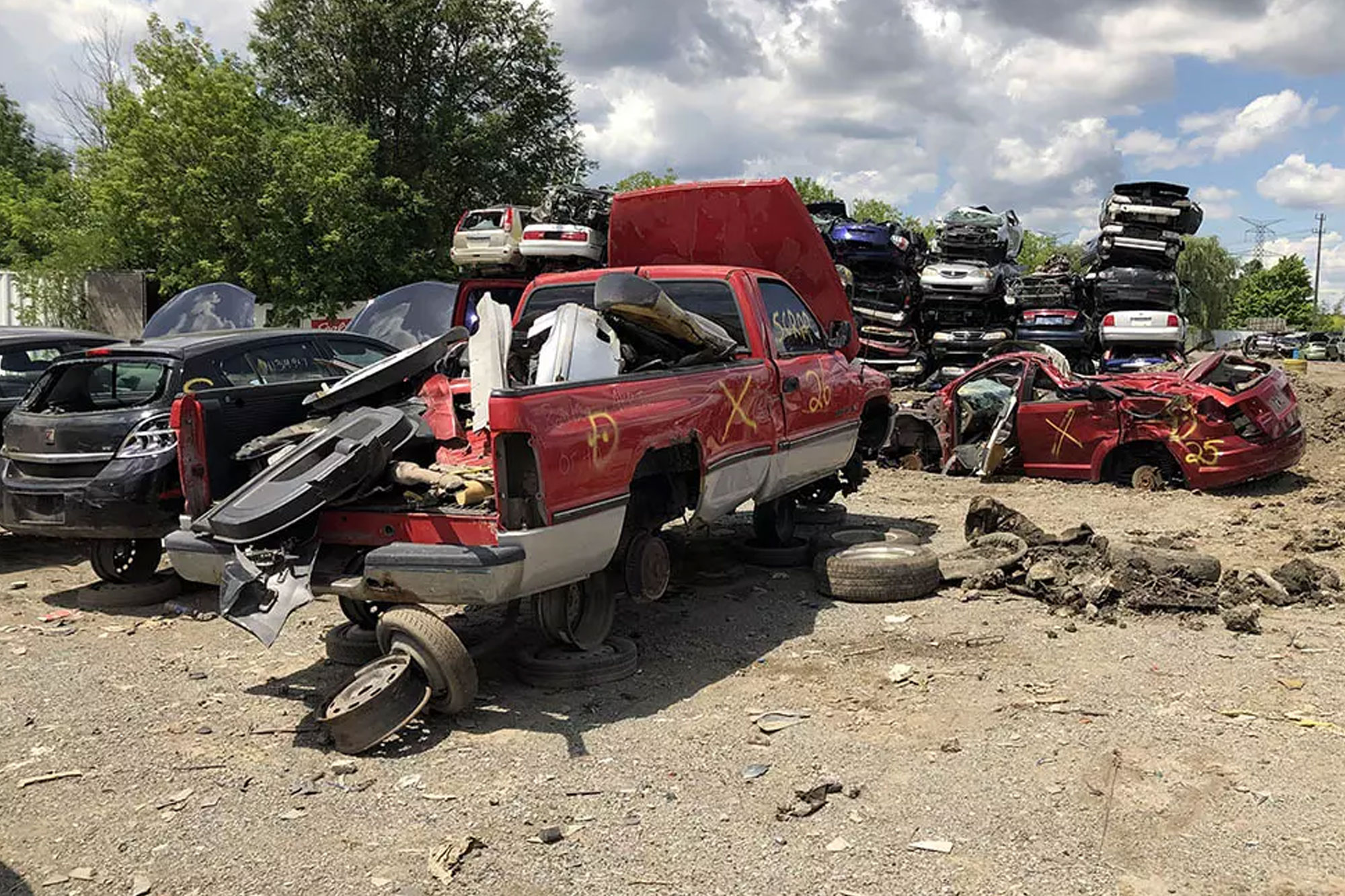
As the auto industry continues to grow year on year, it becomes increasingly important to find reliable sources for auto body repair parts. With the cost of new parts on the rise, salvage yards have become a valuable resource for body shops. At APFusion, we’ve seen the impact that salvage yards have on sourcing parts for auto body repairs, and we want to share that knowledge with you.

Salvage yards offer a wide variety of parts for almost any make and model, including rare or discontinued parts that are no longer available through manufacturers. The sheer volume of parts available in salvage yards makes it easier for body shops to find the exact parts they need to complete a repair. This is especially beneficial when dealing with older or rare models, which can be difficult to find new parts for.

However, working with salvaged parts does come with its own set of challenges. Salvage yards can be inconsistent in terms of quality, so it is important that you go to a trusted, reputable source for used parts (like ShopEarl).

Despite these challenges, the use of salvaged parts can be a cost-effective solution for auto body repairs. Aftermarket parts, which are often used as an alternative to new parts, can also be sourced through salvage yards. These parts are produced by third-party manufacturers and can often be more affordable than new parts from the original manufacturer. In some cases, aftermarket parts can even be of higher quality than the original parts.

The vast inventory of parts available, including rare and discontinued parts, makes it easier for body shops to find the exact parts they need. While there are challenges associated with working with salvaged parts, the cost-effectiveness of these parts makes them a viable solution for repairs. By establishing a clear process to source parts from salvage yards, body shops can successfully incorporate salvage yard parts into their repair process.

The Best Selling Used Body Parts In North America

2 min read

The Best Selling Used Body Parts In North America

big-image

In the business of selling used body parts either commercially or just at home? Look no further because we’ve got the yard owners’ perfect quick reference guide to the top 5 selling used body parts in the United States.

Bumpers

Bumpers are a top-selling used body part for one obvious reason – accidents usually either come from the front (fenders) or the back (bumpers). With so many accidents the result of low-speed accidental collisions, bumpers are in high demand for repair shops looking to turn over a quick buck.

Hoods

Unlike bumpers and fenders, damage sustained to hoods is generally out of the control of the car owner. Mother nature is often the main cause of hood damage – with hail regularly forcing hoods to be replaced. Used hoods are popular because they can save customers and repair shops money compared to the cost of a new hood. Due to the irregularity of adverse weather conditions, used hoods are also in high demand, making them prime for sale as replacement parts.

Fenders

Fender benders exist for a reason. With many accidents coming from low-speed, low-impact collisions, fenders (and bumpers – see above) are generally the first victims. Fenders are another commonly replaced part in collision repairs, and like bumpers and hoods, they can be expensive to replace with new parts. Thankfully, many used fenders are in excellent condition, making them a reliable option for repairs.

Doors

Doors are in a vulnerable position for impact from other vehicles or objects. They’re usually made of thinner metal or other materials than the body of the vehicle, which makes them more prone to denting or even caving in during a collision. Furthermore, doors often contain windows and other components that can shatter or break upon impact, leading to regular passive damage.

Mirrors

Mirrors are a top-selling used auto part because they can be expensive to replace with new parts. Mirrors are commonly damaged in car accidents because they are typically located on the outermost part of the car and are designed to protrude from the body, which makes them more susceptible to impact from other vehicles or objects. Additionally, they can sustain damage in accidents or from other factors like vandalism. With an often competitive used market, mirrors are great at driving sales for those that sell used auto parts.

It’s your role to keep your revenue from selling parts ticking over. By knowing the top-selling used body parts in the United States, you’ve got one leg up on everyone else selling parts. Stay on top of your assortment and use a tool like ShopEarl to buy and sell more parts for the folks who need them.